Já se pode falar em dependência de Talisca?
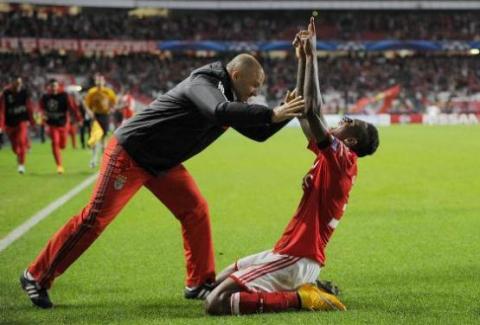
Só a vitória interessava ao Benfica na partida com o Mónaco e foi a vitória (1-0) que o Benfica conseguiu ontem à noite na Luz. Um triunfo arrancado “a ferros”, aos 82 minutos, pelo inevitável Talisca. Ao fim de nove golos em 26 marcados nos jogos oficiais pelo Benfica já se pode falar em dependência de Talisca? A estatística impõe a questão.
Com efeito, o jovem médio brasileiro, que esta terça-feira se estreou a marcar nesta quarta jornada da fase de grupos da Liga dos Campeões, está prestes a atingir a fasquia da dezena de golos em menos de três meses da sua temporada de estreia na Luz. O desconhecido contratado por quatro milhões ao modesto Bahia é, agora, a grande arma de Jorge Jesus, à falta de melhores goleadores.
Joga Lima, joga Derley, joga Jonas, mas a verdade é que os golos têm ficado quase sempre a cargo do médio ofensivo. Os exemplos mais recentes dão força à ideia: foi assim na derrota em Braga, continuou na vitória magra sobre o Rio Ave e, uma vez mais, repetiu-se com o Mónaco. Afinal, o que tem Talisca que os outros (ainda) não têm?
Curiosamente, o jogo contra os monegascos esteve longe de ser brilhante para o médio de 20 anos, alternando bons pormenores com más decisões. Muitas bolas perdidas, alguma falta de ligação com os colegas e, sobretudo, um ritmo ainda demasiado baixo para as exigências da Liga dos Campeões. E, no entanto, estava no sítio certo à hora certa para o golo do triunfo.
Foi, ontem, um jogador à imagem da equipa. Os encarnados conseguiram ser envolventes e assertivos no início, empalideceram e recuaram pelo meio, e voltaram a ser ofensivos e determinados para o assalto final à baliza de Subosic. No fundo, onde falta a confiança e inspiração nos colegas de ataque, Talisca tem ambas de sobra. Por ser desde o início da época uma aposta pessoal de Jorge Jesus e por ter excelentes qualidades na aproximação à área e a jogar vindo de trás para a frente, dando expressão ao labor dos seus companheiros.
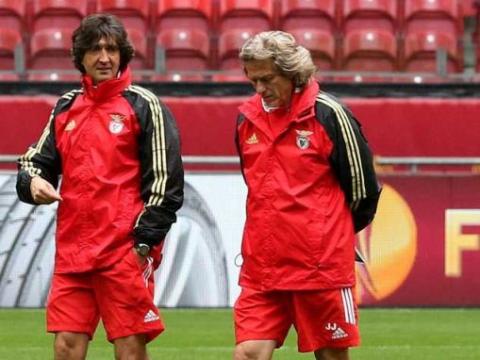
Jorge Jesus reconheceu que o Benfica fez uma “boa exibição”, mas que Talisca “nem fez um grande jogo”. O treinador do Benfica sublinhou também que a seleção principal do Brasil é ainda uma miragem para o internacional sub-20 canarinho. “Ele ainda está a aprender, está a fazer golos, mas para se jogar na seleção do Brasil não é para qualquer um. O Talisca vai chegar lá com o tempo. Vai jogar nas outras seleções porque tem valor para isso, mas ainda tem muito para penar para chegar à seleção principal. Neste momento ainda não tem andamento para isso”, explicou Jesus na conferência de imprensa após o jogo. E, contudo, nos principais campeonatos europeus só Neymar faz melhor que o jovem Talisca…
Uma última nota para um “ator secundário” de luxo: Júlio César. O guarda-redes brasileiro exibiu-se ontem ao seu melhor nível e foi preponderante a manter o Benfica na luta pela vitória. As suas defesas ao longo do jogo foram os alicerces da obra concluída por Talisca ao cair do pano, pois o Mónaco também teve hipóteses de resolver o jogo a seu favor mais cedo.
Assim, o Benfica volta a sonhar com a continuidade nas provas europeias, ao igualar o Zenit, no terceiro lugar, com quatro pontos em quatro jogos, e ficar a um do Mónaco, que ocupa o segundo posto com cinco pontos. Já o Bayer Leverkusen lidera com nove pontos e está bem lançado para os oitavos de final da Champions. Na próxima ronda, no dia 26, o Benfica visita São Petersburgo sob a obrigação de voltar a ganhar, enquanto o Bayer recebe o Mónaco.